Abstract:
Indian agriculture has undergone remarkable transformation since independence, evolving from a food-deficit system to a globally significant agricultural economy. The Green Revolution marked the first major breakthrough, introducing high-yielding varieties, chemical fertilizers, irrigation expansion, and mechanization, which substantially increased foodgrain production and ensured national food security. In recent decades, advances have extended beyond cereals to include horticulture, dairy, fisheries, and livestock sectors, making India one of the world’s leading producers of milk, fruits, vegetables, pulses, and spices. Technological innovations such as precision farming, biotechnology, improved seed systems, protected cultivation, micro-irrigation, farm mechanization, and digital agriculture platforms have enhanced productivity, resource-use efficiency, and market integration. Government initiatives including PM-KISAN, PMFBY, e-NAM, Soil Health Card Scheme, National Food Security Mission, and the promotion of Farmer Producer Organizations (FPOs) have strengthened institutional and policy support systems. The expansion of agricultural research, extension reforms, climate-resilient agriculture, and sustainable practices such as organic farming and natural farming have further contributed to diversification and resilience. Despite these advances, challenges persist in the form of small landholdings, climate variability, water stress, price volatility, and regional disparities. The future of Indian agriculture lies in sustainable intensification, value addition, digital transformation, supply chain modernization, and enhanced farmer income strategies aligned with SDGs and climate commitments. Overall, advances in Indian agriculture reflect a shift from subsistence orientation to a technology-driven, market-linked, and sustainability-focused growth trajectory.
Biography:
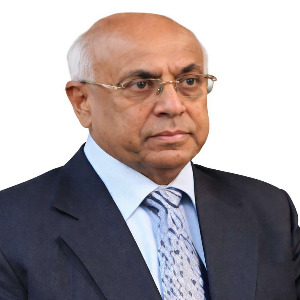
Professor Emeritus (Dr). V.P.S. Arora, AERA (Agricultural Economics Research Association) Fellow, is a distinguished academician renowned for his extensive contributions to agricultural economics, agribusiness management, and project management. An alumnus of G B Pant University of Agriculture and Technology in Pantnagar, he dedicated over three decades to the institution as a faculty member and academic administrator, playing a pivotal role in its academic growth. Dr. Arora made history as the founding Dean of the College of Agribusiness Management—the first of its kind under the ICAR-SAU system—marking a significant milestone in agricultural education. Over a career spanning 49 years, he has enriched both national and international academic institutions. His leadership as Vice Chancellor at Kumaun University and Shri Venkateshwara University in Uttar Pradesh was instrumental in fostering academic innovation and enhancing university governance. On the international stage, Dr. Arora has been a key figure in agriculture, project management, and consulting. He has lent his expertise to prestigious international organizations such as APO, IRRI, OECD, FAO, and ADB. As a dedicated mentor, he has supervised 24 PhD scholars and contributed significantly to research through numerous projects and publications. His leadership in various professional societies further cements his legacy in the fields of agricultural economics, agricultural marketing, project management, and agribusiness management. Dr. Arora’s remarkable achievements have been recognized with numerous awards and honours, including Dr. Rajendra Prasad Award, Lifetime Achievement Awards (2009 and 2020), the Uttarakhand Ratan Award (2011), the Higher Education Leadership Award (2016), and Outstanding Alumnus Awards from both Pantnagar University (2020) and the College of Agriculture (2019), in addition to several Best Paper Awards. He has also served as Conference President of the Indian Society of Agricultural Marketing (2010) and the Agricultural Economics Research Association (2013).